
Sourcing custom machining carries a structural risk that off-the-shelf sourcing does not: there is no prior lot, no history of the part, and no established record to judge the supplier against. The entire proof that a custom design can be machined, measured, and documented is created on the first order. A buyer who treats that first order as routine procurement has bet the volume program on a supplier they have not yet qualified.
The alternative is a qualification sprint: a short, deliberate sequence that compresses the risk into one controlled cycle. Week one establishes the supplier's identity, certificates, and process evidence from your desk. Week two produces a pilot part with its full documentation package. Week three reviews the first article independently and negotiates the volume terms on the strength of what the pilot proved. Run the sprint once, and the supplier is either qualified on evidence or removed on evidence — before the volume order exists.
1. What should week one establish before any drawing is sent?
Week one is the desk phase, and its output is a short file of verified facts. The entity comes first: the legal name, the registration number, and the registered address, consistent across the website, the quote, and the invoice, with the payment account in the registered entity's name. The certificates come second: ISO 9001:2015 as the quality baseline, checked against its registrar with its scope confirmed, and IATF 16949:2016 (product design excluded) or ISO 14001:2015 noted where they matter. The process evidence comes third: redacted reports from past lots showing measured values, material certificates tied to real heats, and calibration records behind the numbers.
The discipline of week one is that nothing is taken on faith. A certificate number resolves or it does not; a scope covers machining or it does not; a report shows measurements or it shows pass marks. The checks are fast, and a supplier that fails one removes itself before the buyer spends time on drawings and samples. The file that week one produces is also the baseline the relationship will be managed against, because the first order's evidence is read against the same standards.
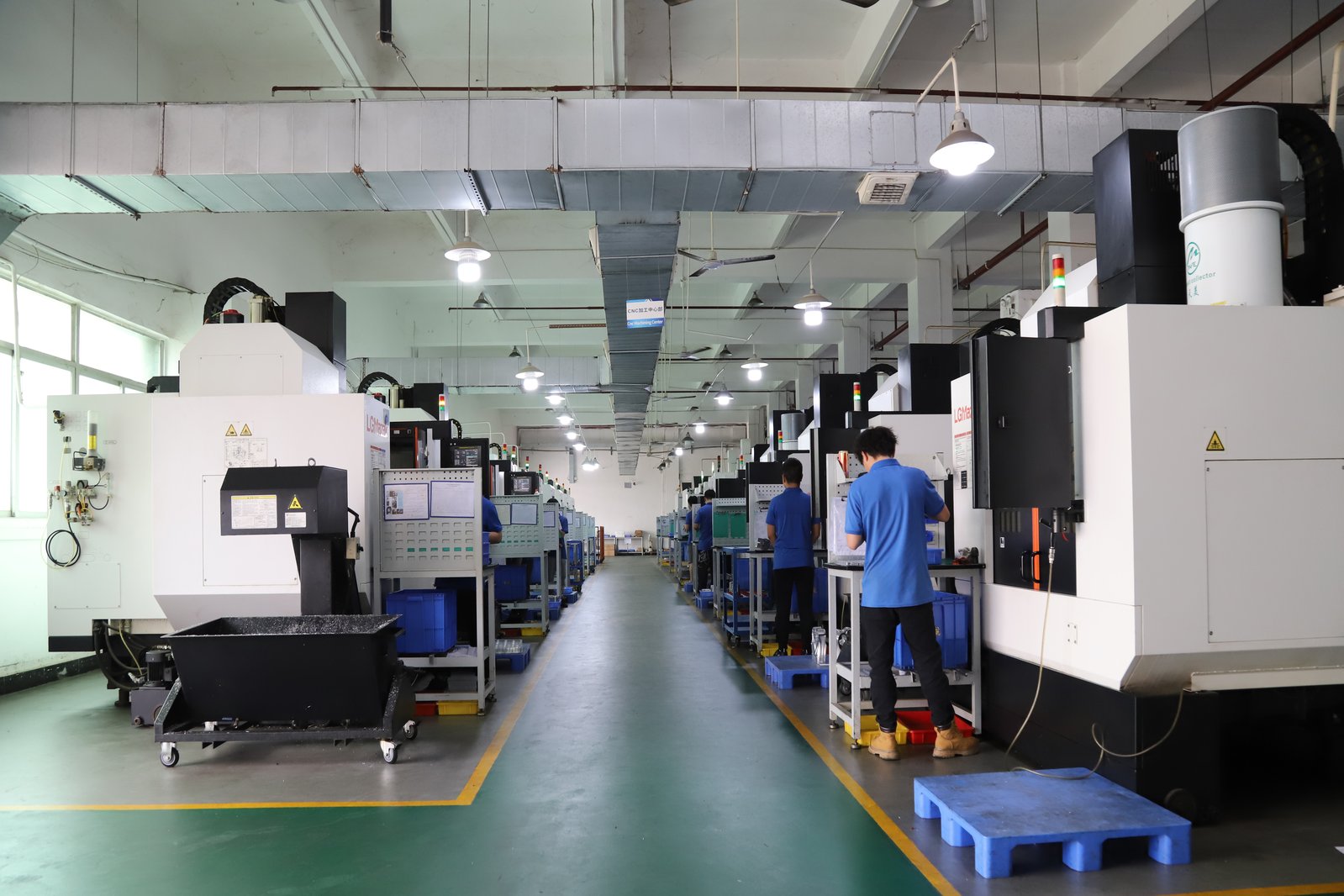
Week one closes with the factory session. A live video walk-through that shows the machine class your part would run on, the inspection bench that would measure it, and the material area where certified stock is kept converts the desk checks into a picture of a real floor. A manufacturer films its own workshop; a reseller cannot, and the difference is visible in the first minutes of the call. The factory page of a serious shop — like the one on this site — shows what that session is expected to reveal.
2. How is the pilot part chosen and scoped?
The pilot part is the second gate, and its design decides how much the sprint teaches. Choose a non-sensitive part that still carries the features your production work will have: real tolerance callouts, a material you will order at scale, and a documentation requirement you will need later. The pilot is not a trinket; it is the vehicle that converts the supplier's claims into evidence you can measure with your own hands and instruments.
Scope the pilot like a production order, only smaller. Send the drawing at a named revision with the material and finish specified, state the inspection level and the report format, and require the full documentation package as a deliverable — the material certificate, the dimensional report, and the statement of conformity. A pilot scoped this way produces the first-article baseline that volume production will be measured against, and it does so at the smallest possible exposure.
Judge the pilot on behavior as much as on geometry. How specific were the quoting questions? Did the shop flag the features that would be difficult or confirm everything with no engagement? Did the paperwork arrive complete, on time, and internally consistent? These behaviors are the part of the supplier that will scale, and the pilot is the cheapest place to observe them. The first-article discipline a serious shop applies is visible in how it handles even a small pilot lot.
3. How is the first article read as evidence rather than as a sample?
The first article is the strongest gate in the sprint because it is the entire proof that the design, the process, and the measurement method hold. The supplier produces it against the released drawing revision; the buyer reviews it independently — measuring the critical features with their own equipment where the part justifies it, and comparing the results with the supplier's report. A first article that matches its paperwork demonstrates a system that can scale; one that drifts from its documents has shown exactly where the system fails.
Read the documents the way an auditor would. Does the dimensional report cite the same drawing revision the order was placed against? Does the material certificate name the heat that the report claims, and does the supplier's incoming verification tie that certificate to the physical stock? Do the measured values sit inside the callouts with the measurement method stated? A chain of documents that agrees is a chain that can be filed; one that disagrees is a finding that must be resolved before any volume money moves.
The review has a schedule and a consequence. Book it before the pilot ships, give it an owner and a deadline on both sides, and agree what a failure triggers — a corrected process and a new first article, with the schedule effect stated. The gate only protects the program if it is operated on time, and a first-article review that sits unreviewed is a gate that has silently opened.
4. What should the audit look for beyond the machines?
If the program's value justifies it, week three adds an audit — in person or by live video — and the audit should look at the control layer rather than the machines. The material area shows whether certified stock is segregated by heat and whether the certificates live with the metal. The inspection bench shows which instruments measure the shipped parts and how calibration is tracked. The records room, or its digital equivalent, shows whether a past lot's paperwork can be retrieved on request, which is the operational definition of traceability.
Ask to see the process evidence that matches the claims in the file. The incoming material verification records, the CMM program list, the calibration certificates, and the non-conformance files from past lots tell the auditor more than any equipment list. A shop that can produce a past lot's complete package in minutes is running a system; one that produces it after a search, or not at all, is running a hope. The audit converts the desk checks into a picture of the system that will produce the buyer's parts.
The audit also settles the scope question that desk checks cannot. Which operations run in-house and which are subcontracted — the heat treatment, the plating, the anodizing — and who holds the quality responsibility at each hand-off? A custom machining order that depends on outside processors carries their schedules and their records, and the audit should name them. The quality page on this site shows the level of process disclosure a buyer should expect from any audited shop.
5. What should the production terms negotiate after the pilot passes?
When the pilot and its first article clear the gates, the negotiation shifts from whether the supplier can perform to the terms under which volume will flow. The production agreement should fix the drawing revision control, the material and certificate requirements, the inspection level and report format, and the incoterm with the document set that ships each lot. Each term is a fact the pilot established, and writing it down prevents the next order from renegotiating what was already proven.
The payment structure is the final term, and it should carry the evidence logic of the sprint into the relationship. A deposit funds the material and the start; the balance releases against the approved first article of the volume lot and the pre-shipment inspection with its documents. A supplier that accepted the pilot's gates will accept the volume gates, because both are the same logic at a larger scale. A supplier that resists the gates at volume is asking the buyer to abandon the discipline that qualified them.
Price belongs in the negotiation as a consequence of the pilot, not as its subject. The pilot's actual behavior — the setup time, the inspection effort, the documentation quality — confirms or corrects the assumptions in the quote, and the volume price should be set against what the pilot revealed. A supplier that quoted on assumptions and delivered on the assumptions is priced fairly; one that quoted low and cut corners has already shown the corners in the pilot's paperwork.
6. What gates protect the transition from pilot to volume?
The transition from pilot to volume is where processes drift, and it needs its own gates. The first volume lot should carry its own first-article evidence against the production drawing, because the production process may differ from the pilot in material lot, setup, or operator. The volume lot should deliver the same documentation package the pilot delivered, and the buyer should read it against the pilot's baseline. A volume lot that matches the approved first article is a repeat; one that drifts from it is a new qualification.
Release volume in stages rather than all at once. A pilot batch of the production quantity, then the first full lot, lets the buyer catch any difference between the pilot conditions and the production conditions while the exposure is still small. The staged release also tests the supplier's scheduling at real volume — the milestone reports, the material procurement, and the outside-operation hand-offs that a one-off pilot does not exercise.
The gates carry a reporting rhythm that keeps them honest. The supplier reports progress against named milestones at a fixed cadence, and the buyer reviews the reports at the same rhythm. A slip reported on the day it becomes visible is a managed problem; a slip discovered at delivery is a crisis. The discipline that ran the three-week sprint should run the volume relationship, because the supplier that passed the sprint earned the volume by demonstrating exactly that discipline.
7. Which failure modes should end the sprint early?
Some findings end the sprint at whatever point they appear. An entity that shifts between the quote, the invoice, and the bank details is a structural finding that no pilot part can repair. A certificate that does not resolve against its registrar, or whose scope excludes machining, removes the quality claim the sprint was built on. A refusal to show the floor on video, or to share a redacted report from a past lot, is the behavior of a supplier who has something to hide from the very checks that define a factory.
The pilot adds its own failure modes. A first article whose paperwork does not reconcile — the certificate naming a different heat than the report claims, the measured values drifting from the callouts, the report citing the wrong revision — has shown where the system breaks, and the finding is worth more than the price of the pilot. Payment pressure before the pilot exists belongs in the same column: a request for the full amount before any evidence has been produced is a request to skip the sprint, and skipping the sprint is how the risk it was designed to retire comes home.
Sprint-ending findings: entity shifts between documents · bank account not in the contract entity's name · certificates that do not resolve · no inspection records or material verification · no live look at the floor · pilot paperwork that does not reconcile · full payment demanded before the pilot exists. Any single finding ends the sprint; two of them mean the search restarts elsewhere.
The sprint works because it is short and its gates are concrete. Week one's desk checks and factory session verify the supplier; the pilot part and its paperwork verify the process; the independent first-article review verifies the result; and the volume terms carry the same evidence logic forward. A supplier that clears the sprint is a supplier the buyer can scale with on the strength of demonstrated behavior, and a buyer who runs the sprint once has retired the risk of the relationship before the volume order ever exists. The factory behind this site is used to being qualified this way, and its factory page and quality page are written so the sprint's checks can be run against them.
Frequently Asked Questions
How long should it take to qualify a custom machining supplier?
A focused qualification sprint fits into roughly three weeks when both sides cooperate: week one is the desk checks and the factory session, week two produces a pilot part with its paperwork, and week three covers the independent first-article review and the terms for volume. The sprint compresses the risk into one controlled cycle instead of spreading it across the first year of orders.
What should week one establish before any drawing is sent?
The entity, the certificates, and the process evidence. Confirm the legal name, registration, and the account that would receive payment; verify the quality certificates against their registrars; and request redacted reports from past lots to confirm the shop measures what it ships. The factory video session then confirms the floor exists and shows the machine class and inspection bench for your work.
Why send a pilot part before the production order?
A pilot part turns the supplier's claims into evidence you can hold. Choose a non-sensitive design with real tolerance callouts, and require the full documentation package with it. The pilot tests machining, measurement, documentation, and communication in one small transaction, and it creates the first-article baseline that volume production will be measured against.
How is the first article read as evidence rather than as a sample?
Measure the critical features yourself or with an independent reviewer, and compare the results with the supplier's report and the drawing revision. Check that the material certificate reconciles to the lot, and that the numbers sit inside the callouts with the method named. A first article that matches its paperwork demonstrates a system; one that drifts shows where the system fails.
What should the production terms negotiate after the pilot passes?
The drawing revision control, the material and certificate requirements, the inspection level and report format, the incoterm and document set, and a payment structure gated on evidence — deposit against the order, balance against the approved first article and the pre-shipment check. The pilot's behavior, not its price, should set the terms for the relationship.
What gates protect the transition from pilot to volume?
The first volume lot should carry its own first-article evidence against the production drawing, the same documentation package the pilot delivered, and progress reports at named milestones. Release volume in stages — a pilot batch, then the first production lot — so any process difference between the pilot and volume is caught while the exposure is still small.
Which failure modes should end the sprint early?
An entity that shifts between documents, a bank account under a different name, certificates that do not resolve, no inspection records, no live look at the floor, a pilot part whose paperwork does not reconcile, and payment pressure before the pilot exists. Each failure mode is visible within the three weeks, which is exactly why the sprint is worth running.
How do I know a custom machining quote is priced fairly?
A fair quote names the drawing revision, splits material, machining, setup, and inspection, states the incoterm, and quotes the pilot and volume quantities with their difference explained by setup spread. Compare structured quotes from qualified suppliers at the same quality level, and let the pilot part's actual behavior confirm or correct the assumptions in the price.
Running a qualification sprint and want a supplier that will clear it?
Send the pilot drawing and the quantity through the contact page — the response includes the entity details, the certificate numbers, the process evidence, and the pilot quote structured the way this sprint requires.